How long does a boiler installation take?
For most Sussex homeowners, a straightforward boiler replacement is done within a single day. If you're swapping like-for-like — same boiler type, same location — our engineers are typically finished and the heating is back on before teatime. More complex jobs, like converting from a system boiler to a combi or moving the unit to a different room, can stretch to two or three days. But the chaos people dread rarely materialises. Here's what actually affects the timeline, and what you can expect from start to finish.
The short answer: one day for most homes
The majority of boiler replacements in the UK are straightforward swaps. You've got an old combi, it's going in the bin, and a new combi is going in the same spot. That kind of job — no relocation, no change of boiler type — typically takes a single working day. In many cases, a simple like-for-like combi swap can be completed in around 4 to 6 hours when everything goes smoothly.
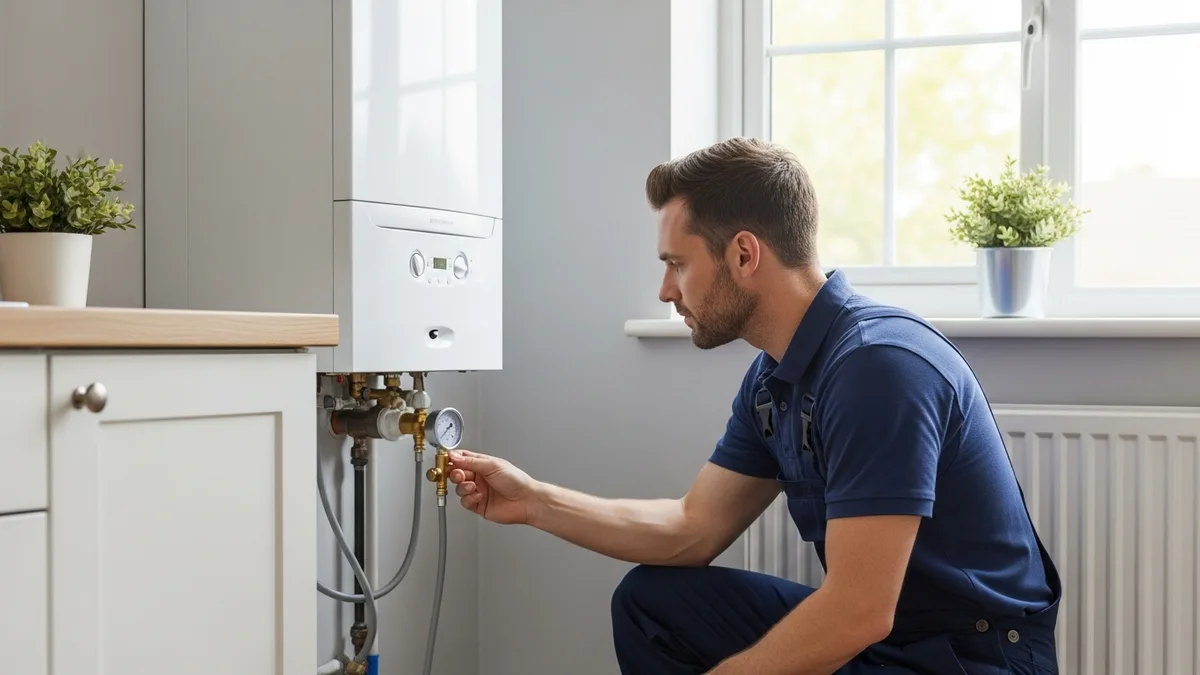
We see this regularly across homes in Brighton, Worthing, and Lewes. The engineer arrives in the morning, removes the old unit, fits the new one, flushes the system, runs all the commissioning checks, and walks you through the controls. Done before the school run.
That said, "a day" is not a guarantee on every job. Several things can push that timeline out, and it's worth knowing what they are before you book.
What makes a boiler installation take longer?
Changing boiler type
This is the big one. If you're moving from a system boiler with a hot water cylinder to a combi, the engineer needs to remove the cylinder, reconfigure pipework, and potentially lift floorboards to reroute pipes. A system-to-combi conversion takes longer because the hot water cylinder must be removed and the pipework reconfigured. Realistically, allow two full days for that kind of work.
Similarly, swapping out an old conventional (regular) boiler — the type with a cold water tank in the loft — involves more labour than a simple combi swap. Replacing a regular or conventional boiler usually takes up to two days because the system includes tanks and vented pipework.
Relocating the boiler
Some homeowners want to move the boiler during a replacement. Maybe it's currently in a bedroom that's being converted, or you want it out of the kitchen. That's completely doable, but it adds time. Moving the boiler to a new area such as a loft or airing cupboard increases installation time, because the engineer must extend pipework, install a new flue outlet, and ensure proper drainage for the condensate pipe. Budget for an extra half day to a full day on top of the base installation.
Older pipework and sludge
This is something we see a fair bit in older Sussex properties — Victorian terraces in Hastings or Eastbourne, 1970s semis in Crawley. Older homes may have corroded pipes or poor water pressure, and replacing old pipework or flushing out sludge adds extra hours to the job. We always assess this before we start so there are no nasty surprises on the day.
A chemical flush is standard practice on any installation we carry out. If the system is particularly gunky, a full power flush may be needed — that adds time, but it protects your new boiler and keeps the warranty valid.
Gas supply pipe upgrades
Newer boilers sometimes need a larger gas supply pipe than what's currently in place. A frequent issue in systems older than 15 years is a gas supply pipe that's too small. In the past, a 15mm pipe was standard, but current regulations now require a 22mm pipe, which allows a greater volume of gas to flow to the new boiler. If your home needs this upgrade, it adds roughly half a day to the job.
Adding smart controls or magnetic filters
If you're adding a smart thermostat, a magnetic filter (which we always recommend), or any extra controls alongside the installation, factor in a bit of extra time. These are worth doing — a magnetic filter will extend the life of your new boiler noticeably — but they're not instant.
What happens on installation day
Knowing the sequence of events helps you plan your day. Here's how a typical installation runs:
- The engineer confirms credentials, inspects the current setup, and isolates the gas, water, and electricity.
- The old boiler is removed and disposed of.
- The system is flushed and cleaned to remove any debris or sludge from the old unit.
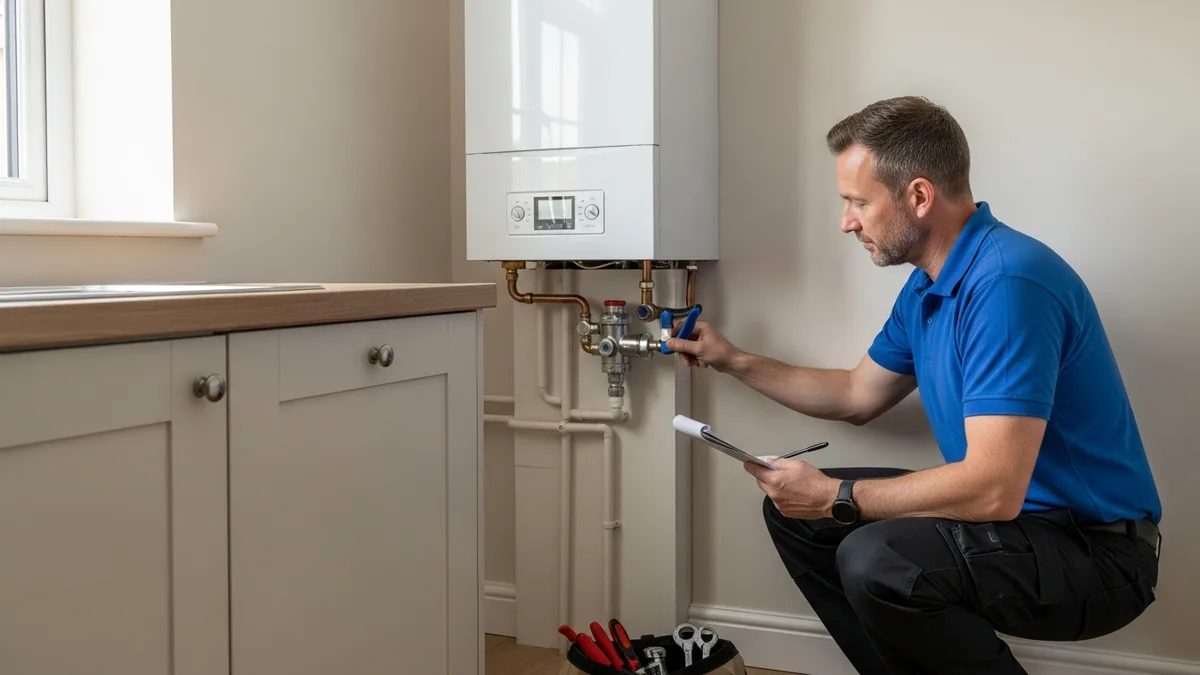
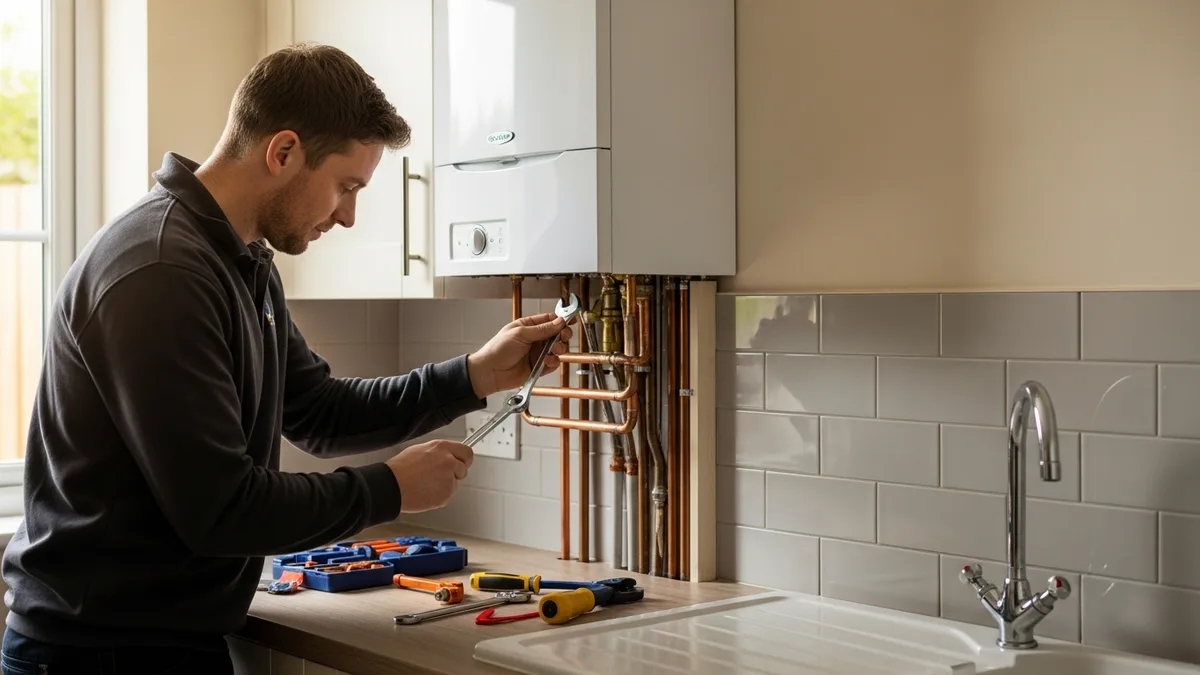
- The new boiler is mounted, pipework is connected, and any additional components are fitted.
- The system is filled with water and checked thoroughly for leaks.
- The engineer tests the boiler under pressure, checks emissions, and records gas readings, then shows you how to use the controls and registers your manufacturer's warranty.
The commissioning stage at the end is not something to rush. A proper installation includes testing, safety checks, and flushing, which take time but ensure efficiency and reliability — cutting corners can cause future faults or safety issues. Any engineer worth hiring won't skip this step.
When will you have heating and hot water again?
For most straightforward installations, you can typically start using your new boiler as soon as the installation is complete and the engineer has finished all necessary testing, which means within a few hours your home will have heating and hot water again.
For more complex jobs running over two days, you'll generally have limited or no heating during the work. If the installation is happening in winter, it's worth mentioning this when you book so we can plan around it. We try to get systems operational at the end of each working day wherever possible.
A note on boiler age and why timing matters
A well-looked-after gas boiler should last between 10 and 15 years, assuming it's serviced annually. If your boiler is approaching 15 years old, it's time to consider a new boiler installation. Waiting for a complete breakdown — usually on the coldest day of the year — is always more disruptive and stressful than planning ahead.
Modern A-rated boilers have efficiency ratings above 90%, while older G-rated models are 70% or less. Upgrading from an old G-rated boiler to a modern A-rated boiler could save you as much as £300 a year on your bills. For many Sussex homeowners, that saving alone makes the decision straightforward.
How to prepare for your installation day
A bit of preparation on your end makes the whole job run more smoothly:
- Clear the area around your current boiler. Boxes, coats, anything stored nearby — move it the night before.
- Make sure the engineer has easy access to the gas meter and any stopcock.
- If you're having extra work done (smart thermostat, filter, relocation), confirm this in advance so the engineer arrives with everything needed.
- Plan for disruption to hot water for part of the day. Have the kettle ready.
If you've booked the job and then remember something relevant — unusual pipework, a previous leak, a loft tank you'd forgotten about — call us before the day. It's much easier to plan for surprises in advance than to discover them mid-job.
FAQ
How long does a like-for-like boiler replacement take?
Most straightforward boiler swaps — same boiler type, same location — take one working day, often around 4 to 6 hours if no complications arise.
Will I be without heating during the installation?
For single-day jobs, yes, but only during working hours. Your engineer will aim to have the system running and commissioned before they leave. For longer jobs spanning two or more days, you may be without heating overnight, so it's worth planning around this in winter.
Does moving my boiler to a different room take much longer?
Yes. Relocating a boiler typically adds half a day to a full day to the installation time, depending on the distance involved and how much new pipework needs running.
What boiler types take the longest to install?
Converting from a system or conventional boiler to a combi is the most involved job, often taking two to three days. Like-for-like combi swaps are the quickest.
Do I need to do anything to prepare for the installation?
Clear access to the boiler, gas meter, and stopcock before the engineer arrives. Let your installer know in advance about any planned extras like smart controls or a boiler relocation, so they come prepared.
If you're in Sussex and your boiler is getting on in years — or you've already decided it's time for a replacement — Platinum Boilers can give you a fixed-price quote with no obligation. We cover the whole of East and West Sussex, from Crawley to Hastings. Take a look at our transparent pricing packages or get in touch for a free boiler installation quote and we'll walk you through your options.